
Sustainable Packaging: Biodegradable Options for Food Brands
Sustainable packaging has moved from a nice-to-have to a critical brand imperative. Consumer research consistently shows that the majority of buyers—especially in North America and Europe—consider packaging sustainability when making purchasing decisions,…
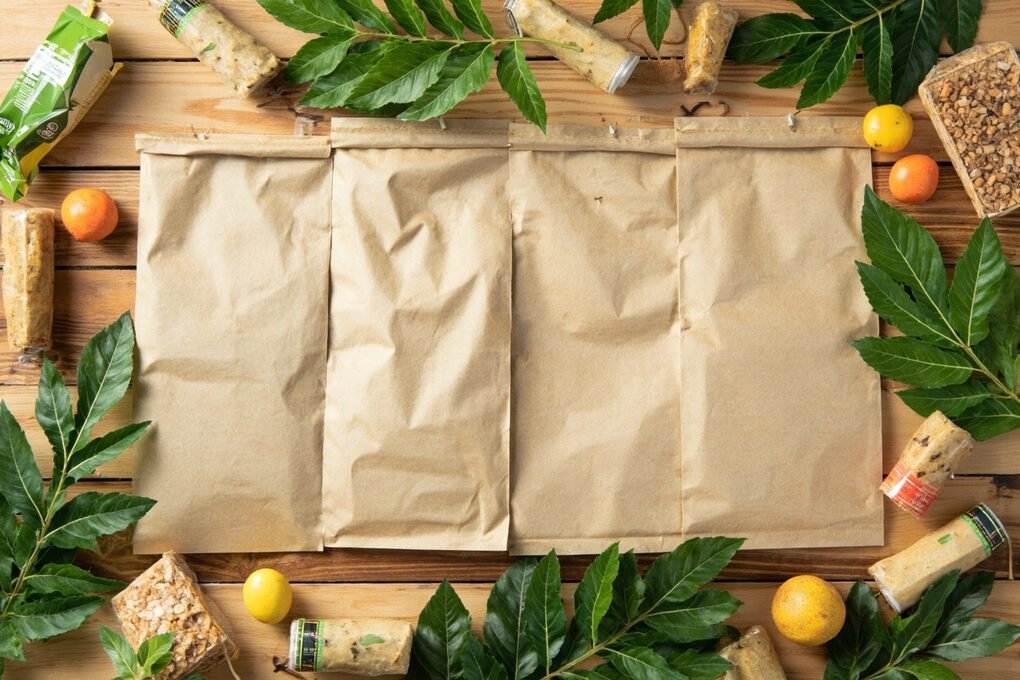
Sustainable packaging has moved from a nice-to-have to a critical brand imperative. Consumer research consistently shows that the majority of buyers—especially in North America and Europe—consider packaging sustainability when making purchasing decisions, and regulatory pressure is accelerating this trend.
Why Sustainable Packaging Is No Longer Optional
Multiple forces are driving the shift to sustainable flexible packaging:
- Consumer demand — Studies show 60-70% of consumers globally prefer brands with sustainable packaging
- Retail requirements — Major retailers (Walmart, Tesco, Amazon) are mandating packaging sustainability from suppliers
- Regulatory pressure — Single-use plastic regulations are spreading globally, with the EU Plastic Strategy and various national bans targeting flexible packaging
- Brand reputation — Packaging waste is increasingly associated with brand irresponsibility, damaging customer loyalty
Sustainable Flexible Packaging Options
1. Recyclable Mono-Material Structures
The biggest barrier to flexible packaging recycling is the multi-layer structure—different polymers cannot be separated in standard recycling streams. Mono-material PE pouches solve this by using only one type of PE throughout, allowing the entire package to be recycled in standard PE recycling streams.
Ideal for: Dry food, snacks, household products where maximum barrier is not critical.
2. Post-Consumer Recycled (PCR) Content
Incorporating PCR plastic (recycled from collected consumer waste) into packaging reduces virgin plastic use. PCR PE and PCR PET are commercially available and can be used in flexible packaging structures.
Ideal for: Brands wanting to reduce their plastic footprint without changing packaging format.
3. Biodegradable and Compostable Materials
Fully biodegradable and compostable materials are available for flexible packaging:
- PLA (Polylactic Acid) — Made from corn starch or sugarcane, industrially compostable. Good clarity and printability but limited barrier properties.
- PBAT (Polybutyrate Adipate Terephthalate) — Fully compostable polymer that provides flexibility and reasonable barrier properties.
- Kraft paper barriers — Paper-based flexible packaging with compostable barrier coatings for dry goods.
4. Reduced Material Use (Lightweighting)
Using thinner gauge materials while maintaining performance reduces overall material consumption. Engineering the right material structure for your specific product—not over-specifying barrier—can reduce packaging weight by 15-30%.
Sustainability Certifications
Relevant sustainability certifications for packaging:
- FSC-certified paper — Ensures paper/board comes from responsibly managed forests
- TUV Austria (OK Compost) — Certifies compostability of materials and products
- How2Recycle — North American on-pack recycling labeling program
- EU Ecolabel — European environmental performance certification
Frequently Asked Questions
Are biodegradable bags really compostable?
“Biodegradable” is an unregulated term that can be misleading. Look for specific certifications: “industrially compostable” (TUV OK Compost or equivalent) means the material will break down in commercial composting conditions. “Home compostable” certification is stricter and harder to achieve. “Biodegradable” without certification is not a reliable sustainability claim.
Can I get recyclable flexible packaging for food products?
Yes, but food-grade recyclable packaging has technical limitations. Mono-material PE structures are recyclable but cannot achieve the same oxygen barrier as multi-layer foil structures. For products requiring long shelf life (12+ months), truly recyclable options may not yet meet your barrier requirements—but for products with 3-6 month shelf life, recyclable PE structures are a viable option.
Does GGPbag offer sustainable packaging options?
Yes. We offer recyclable mono-material PE structures, PCR content options, compostable materials (PLA, PBAT), and kraft paper-based barriers. Our team can advise on the most sustainable option that meets your product’s functional requirements and target market regulations.