How to Design Custom Packaging Bags: A Step-by-Step Guide
Designing custom packaging bags that look great on shelves, protect your product, and communicate your brand story requires balancing creative vision with technical constraints. Here is a practical step-by-step guide for brands…
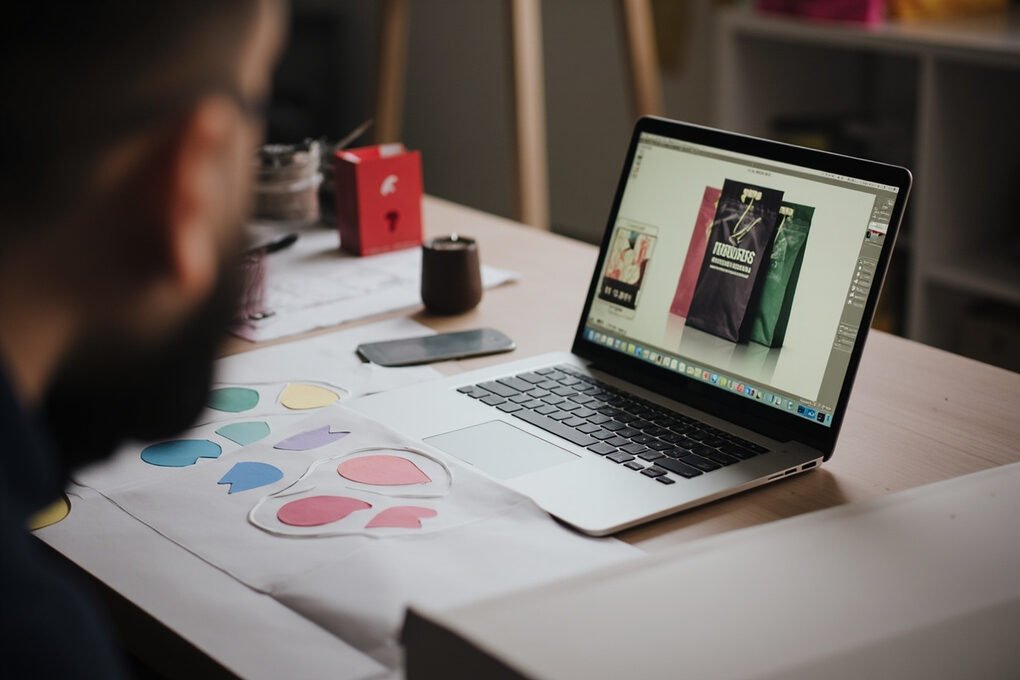
Designing custom packaging bags that look great on shelves, protect your product, and communicate your brand story requires balancing creative vision with technical constraints. Here is a practical step-by-step guide for brands commissioning custom flexible packaging for the first time.
Step 1: Define Your Packaging Goals
Before opening any design software, answer these questions:
- What is the primary packaging format? (Stand up pouch, flat bottom bag, zipper bag, spout pouch)
- What is the bag size? (Match to your fill volume and product dimensions)
- What are the shelf life requirements? (Determines barrier material structure)
- Who is your target consumer? (Design language should match their expectations)
- What is your retail channel? (Supermarket shelf vs. e-commerce vs. specialty boutique)
Step 2: Choose the Right Material Structure
Work with your packaging supplier to choose the correct material structure based on your product’s barrier needs:
- Standard barrier (PET/PE) — Sufficient for products with 3-6 month shelf life, stored at room temperature
- High barrier (MET PET/PE or PET/Foil/PE) — Required for products needing 9-12+ month shelf life or containing high-fat content
- Premium barrier (full foil laminate) — For coffee, nuts, premium pet food, and long shelf life requirements
Step 3: Create Print-Ready Artwork
Essential Artwork Specifications
- File format — PDF (preferred), AI, or PSD with embedded fonts
- Color mode — CMYK (do not use RGB, Spot colors must be defined as Pantone)
- Resolution — 300 DPI minimum for all images; 1200 DPI for fine text and lines
- Bleed — Minimum 3mm bleed on all edges; 5mm recommended
- Safe zone — Keep critical text and logos at least 5mm inside the trim line
Design Elements That Work on Flexible Packaging
Use bold, high-contrast designs — Flexible bags sit next to dozens of competitors on shelves. High-contrast designs with clear focal points communicate faster than subtle gradients or muted tones.
Front panel hierarchy — 3-second rule: a consumer should understand your brand, product, and key benefit within 3 seconds of seeing your bag. Place the most important elements (brand name, product visual) on the top third of the front panel.
Embrace the gussets and back panel — The side gussets and back panel are additional branding real estate. Many brands treat the back panel as wasted space; it is an opportunity for ingredients, usage tips, or brand story content.
Step 4: Proofing and Pre-Press
Before your design goes to press:
- Color proof — Request a physical color proof or digital PDF proof showing exactly how colors will print. Gravure printing requires color matching to a physical proof—not just screen colors.
- Layout proof — Verify bag dimensions, spout placement, zipper position, and fold lines match your actual bag tooling
- Technical review — Your packaging supplier should review artwork for any issues with printability, color registration, or structural concerns
Step 5: Sample Validation
Never go directly from artwork approval to bulk production:
- Request a pre-production sample (printed bag in your actual material structure) before full production
- Fill the sample bag with your actual product and test handling, sealing, and shelf appearance
- Conduct a shelf-life validation test if your product has critical freshness requirements
Frequently Asked Questions
Can GGPbag help with artwork design if we do not have design capabilities?
Yes. GGPbag works with professional packaging design partners who specialize in flexible packaging. We can connect you with designers who understand flexible packaging print requirements, shelf impact optimization, and regulatory labeling requirements.
What file format do you need for custom printing?
Print-ready PDF with embedded fonts and CMYK colors is preferred. If using Adobe Illustrator, outline all fonts and supply the AI file with linked images. We can also accept high-resolution PSD files.
How do I know if my design will look good when printed?
We provide physical color proofs and digital proofs before production. For new customers, we strongly recommend ordering a sample run (typically 100-500 bags) before committing to a full production run, so you can validate the actual printed result with your product inside.