
Food Packaging Trends 2026: What Brands Need to Know
The food packaging industry is evolving faster than ever as sustainability mandates, e-commerce growth, and changing consumer expectations reshape what great packaging looks like. Here are the key packaging trends that will…
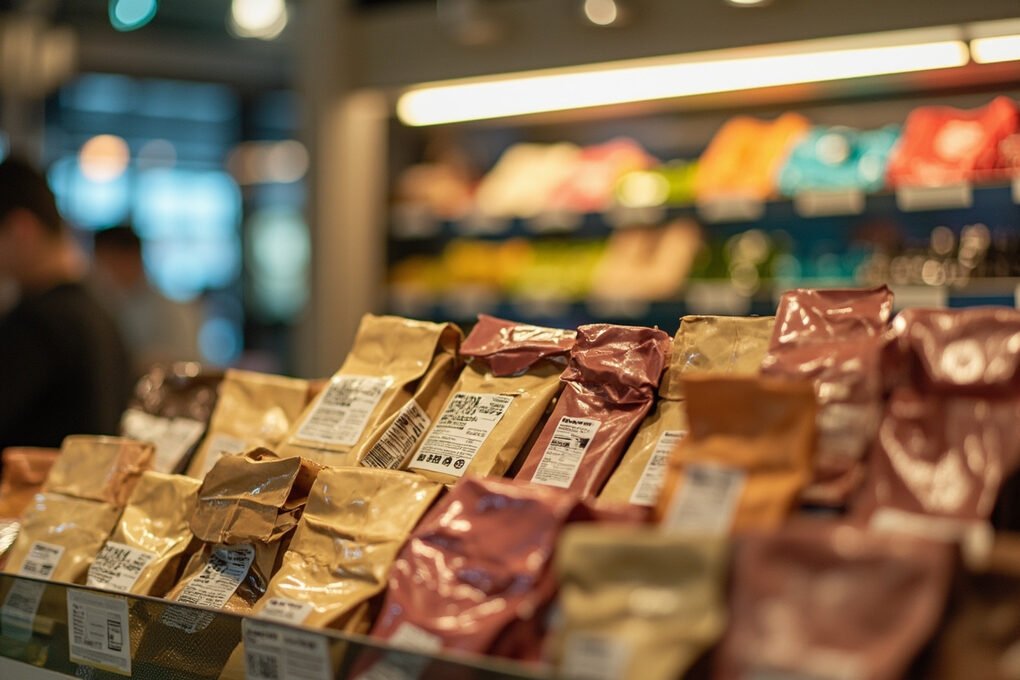
The food packaging industry is evolving faster than ever as sustainability mandates, e-commerce growth, and changing consumer expectations reshape what great packaging looks like. Here are the key packaging trends that will define 2026 and beyond.
Trend 1: Sustainability Is Non-Negotiable
Sustainable packaging has moved from marketing differentiator to table stakes. In 2026, brands without credible sustainability strategies for their packaging face increasing retailer delisting risk and consumer backlash.
Key developments:
- EU Packaging and Packaging Waste Regulation (PPWR) — Sets binding targets for recyclable packaging and minimum recycled content requirements, taking effect across EU member states
- Extended Producer Responsibility (EPR) — Packaging producers in North America and Europe face growing financial responsibility for end-of-life packaging costs
- Recyclable-by-design becoming mandatory — Multi-layer non-recyclable packaging faces increasing regulatory and commercial barriers
Trend 2: E-Commerce Packaging Optimization
The e-commerce channel now accounts for 25%+ of food and beverage sales in most developed markets. E-commerce packaging requires different design thinking than retail shelf packaging:
- Durability — Packages must survive the rigors of parcel shipping (dropped, stacked, vibration)
- Right-sized packaging — Excess packaging volume adds shipping cost and generates negative unboxing experience
- Secondary functionality — Packaging that serves as a dispenser or reusable container adds value beyond first use
- Photo-ready design — The packaging is often photographed before purchase—good photography = good packaging design for e-commerce
Trend 3: Smart Packaging and Digital Experiences
QR codes and NFC tags are becoming standard on premium food packaging:
- Supply chain traceability — Consumers and retailers can verify product origin and authenticity
- Freshness indicators — Time-temperature indicators and freshness sensors on packages communicate actual product freshness
- Brand storytelling — QR codes link to farm origins, sustainability certifications, recipe ideas, and brand engagement content
- Retail integration — Scan-and-buy functionality and loyalty program connections on packaging
Trend 4: Convenience-Driven Format Innovation
Consumer demand for convenient, single-serve, and on-the-go packaging continues to grow:
- Flexible pouches replacing rigid containers — Pouches are lighter, take less shelf space, and offer better portability than glass jars or cans
- Spout pouches for wider categories — Originally for baby food, now expanding into sauces, oils, and beverages
- Microwave-ready packaging — Stand-up pouches designed to go directly from freezer to microwave eliminate transfer steps
- Easy-open and reclose innovations — Zipper improvements, easy-tear films, and no-scissor requirements driving format evolution
Trend 5: Premiumization Through Print and Finish
Even value brands are investing in packaging premiumization to compete with premium alternatives:
- Matte finishes — Matte laminate creates a premium, sophisticated appearance that stands out from glossy competitors
- Soft-touch coatings — Tactile coatings that feel premium to the touch drive emotional connection
- Holographic and iridescent effects — Emerging for premium spirits, confectionery, and gifting occasions
- Minimalist design — Clean, minimal designs with generous white space signal premium quality and transparency
How Brands Should Respond
To stay competitive in 2026, brands should:
- Conduct a packaging sustainability audit and develop a roadmap toward recyclable or compostable packaging
- Optimize packaging for e-commerce channel requirements—do not just adapt retail packaging
- Invest in smart packaging pilots to test consumer engagement value
- Partner with packaging suppliers who can support both retail and e-commerce packaging requirements
- Evaluate material innovation (recyclable mono-structures, compostable formats) as they become commercially viable
Frequently Asked Questions
What is the biggest packaging trend for food brands in 2026?
Sustainability—specifically recyclable packaging and reduced virgin plastic use—remains the dominant trend. Brands that cannot demonstrate credible progress on packaging sustainability face increasing retailer pressure and consumer preference shifts away from their products.
Are smart packaging and QR codes worth the investment?
For premium brands with strong storytelling content and supply chain traceability requirements, QR codes and NFC tags offer meaningful consumer engagement and authenticity verification value. For commodity products with thin margins, the ROI is harder to justify. Start with QR codes on premium SKUs and expand based on results.
How can GGPbag help brands stay ahead of packaging trends?
GGPbag works with brands to evaluate emerging packaging materials and formats, providing samples, technical validation, and production capabilities for sustainable packaging options including recyclable mono-material structures, compostable materials, and e-commerce-optimized packaging designs.