
Coffee Packaging Bags: Why Zipper Bags Are the Industry Standard
For coffee brands, coffee packaging bags are far more than a container—they are the primary barrier protecting freshly roasted beans from the enemies of great coffee: oxygen, moisture, light, and carbon dioxide…
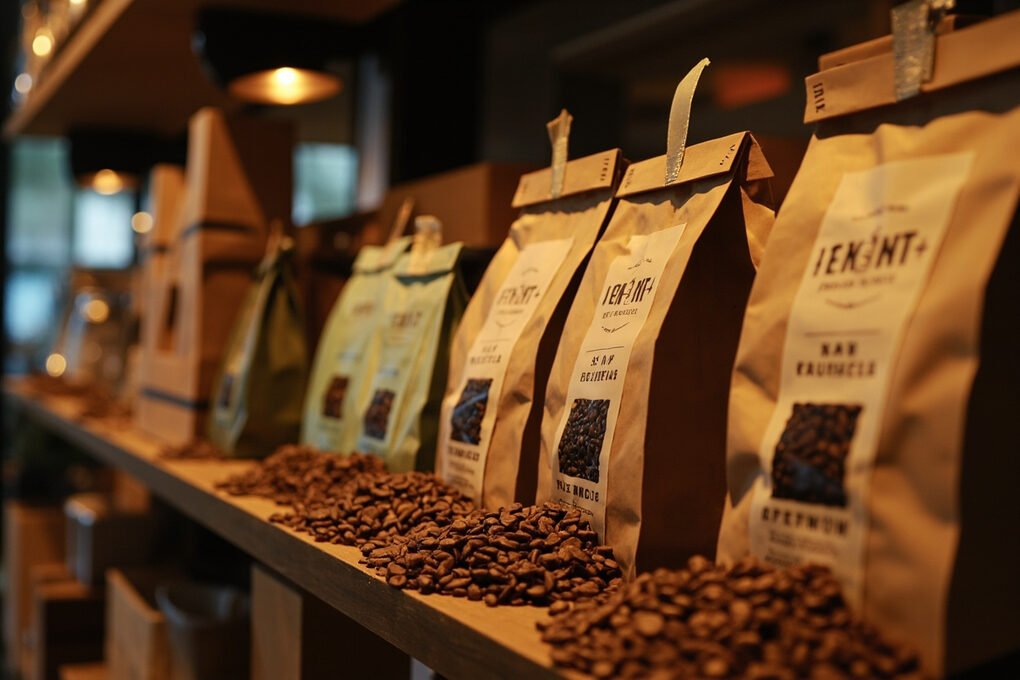
For coffee brands, coffee packaging bags are far more than a container—they are the primary barrier protecting freshly roasted beans from the enemies of great coffee: oxygen, moisture, light, and carbon dioxide released after roasting.
Why Coffee Packaging Is Different from Regular Food Packaging
Coffee is a uniquely demanding product for packaging. After roasting, coffee beans release CO2 for up to 24-48 hours (degassing period), then continue to off-gas slowly for weeks. This creates pressure inside sealed packages. Additionally, roasted coffee is highly sensitive to:
- Oxygen — Causes oxidation that destroys aroma and flavor within days
- Moisture — Leads to mold growth and staleness
- Light — UV degrades coffee lipids, creating rancid flavors
- Heat — Accelerates all degradation processes
Why Zipper Bags Dominate Coffee Packaging
Zipper bags have become the dominant format for retail coffee packaging for good reasons:
1. Reclosability Preserves Freshness
After the initial degassing valve releases CO2, the zipper allows consumers to reseal the bag multiple times, preventing oxygen ingress between uses. This dramatically extends the usable freshness window compared to heat-sealed-only bags.
2. Built-In Degassing Valve Compatibility
Zipper coffee bags can incorporate one-way degassing valves that allow CO2 to escape without letting oxygen in. This valve is critical for preserving freshness in freshly roasted coffee.
3. Consumer-Friendly Experience
Zippers are intuitive and mess-free—consumers can open and close the bag cleanly without scissors or heat sealers. This improves the user experience and encourages repeated use.
4. Stand-Up Shelf Presence
Flat bottom and stand up zipper bags provide excellent upright shelf display, maximizing brand visibility at point of sale while offering the reclosability consumers expect from premium coffee.
Coffee Bag Material Requirements
Quality coffee packaging bags require multi-layer barrier structures:
- Outer layer — PET or matte OPP for print surface and scuff resistance
- Barrier layer — Aluminum foil or metallized PET for oxygen and moisture barrier
- Inner layer — Food-grade PE for direct contact and heat sealability
- Valve — One-way degassing valve (Tego Valve or equivalent) to release CO2
Coffee Bag Printing Options
For premium coffee brands, gravure printing is preferred because:
- Up to 10 colors with sharp, photorealistic image reproduction
- Consistent color quality across large print runs
- Superior ink adhesion on metallized and foil substrates
Digital printing is ideal for smaller orders, seasonal editions, and brands testing new markets with lowerMOQ requirements.
Frequently Asked Questions
What is a degassing valve and why does coffee need it?
A one-way degassing valve allows CO2 released by roasted coffee to escape from the package without letting oxygen in. Without a valve, CO2 buildup can cause bag inflation, bursting, or force consumers to open the seal immediately—accelerating freshness loss.
What material structure do I need for coffee packaging?
For whole bean or ground coffee with shelf life requirements of 6-12 months, GGPbag typically recommends: PET/MET PET/PE (matte finished) with a one-way degassing valve. For premium fresh-roast applications, a foil laminate structure provides the best barrier performance.
Can I get coffee bag samples before placing a bulk order?
Yes. GGPbag offers sample coffee bags in your chosen size and material structure so you can test the bag with your actual product before committing to a production run.